Posts

Ladakh – go-to place during Indian Monsoon

In the months of July and August, Ladakh is the perfect place to be while the rest of India is under the monsoon. The weather is clear, and it is an ideal destination if you want to spend some time in nature.

If you have at least one week and wish to escape from India’s metro cities, Ladakh might be the right place for you. In this blog, we cover our itinerary, places to visit, and how to prepare for the trip.

PREPARING your trip

High altitude

Almost every place you will visit is above 3,000 meters. That means you will face a lack of oxygen. We suggest that you add a “Diamox-250mg” tablet to your first aid kit. This medicine will help you if you experience altitude sickness. See the government recommendation here.

It is also recommended to plan at least 2 to 3 days for acclimatization in Leh, i.e., basically to sit and relax. From our experience, we can tell that in our first days in Leh, even taking the stairs to our room on the first floor was a task in itself. You do feel the lack of oxygen. It is tempting to do a lot, especially because you may feel all is OK. Take our advice: sleep at least 2 nights without planning any visits. It took us 3 days to acclimatize.

Permit

You need special permission to visit Ladakh. You can fill out the form online yourself. Do think of completing it a day or two before your departure. If you are an Indian, do it here. If you are a foreigner, do it here. On the page where they ask for the places you will be visiting, just select all of them; it is the same price 😉

Itinerary

We left Mumbai for a 9-day trip in Ladakh. We started in Leh and covered the Nubra Valley and Pangong Lake. Here is our itinerary:

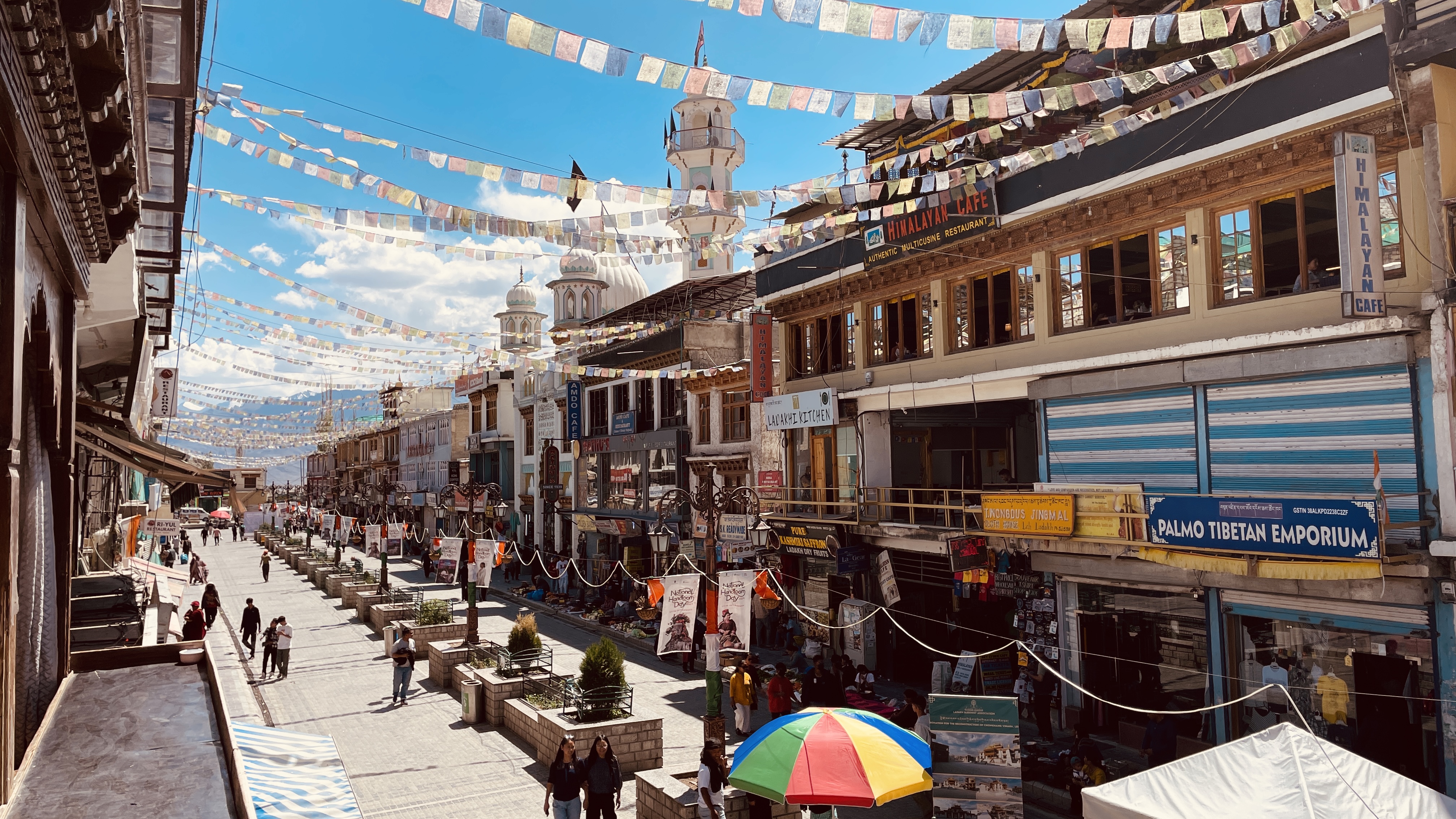
Day 1 to 3: Leh

Arrival

Flight to Leh

The landing itself is breathtaking. We had booked our first two nights in Leh, and the hotel had organized a taxi pick-up for 600 INR.

Stay

Palace View Guest House

Centrally located, near the main bazaar, reasonably priced, and offers a view of the palace from rooms with balconies.

Visit

We tried to take it easy in our first days. Here are a few places we liked:

  • Apple Garden Restaurant at Mentokling Guest House, which is an oasis for taking coffee and relaxing.
  • Bon Appetit and Amigo Korean Restaurant if you want to try something different from the equally delicious Tibetan food outlets.
  • Central Asian Museum, which is an impressive building in itself and displays Ladakh’s history and culture.

We used the time in Leh to organize our road trip. Initially, we wanted to do a multi-day Markha Valley trek, which is a good idea if you feel healthy despite the high altitude.

We booked our taxi at the Blue Stone Hotel. Also, the Yak Travel Agency was very helpful, even though in the end we did not book with them.
Day 4: Leh to Hunder (Nubra Valley)

Road trip

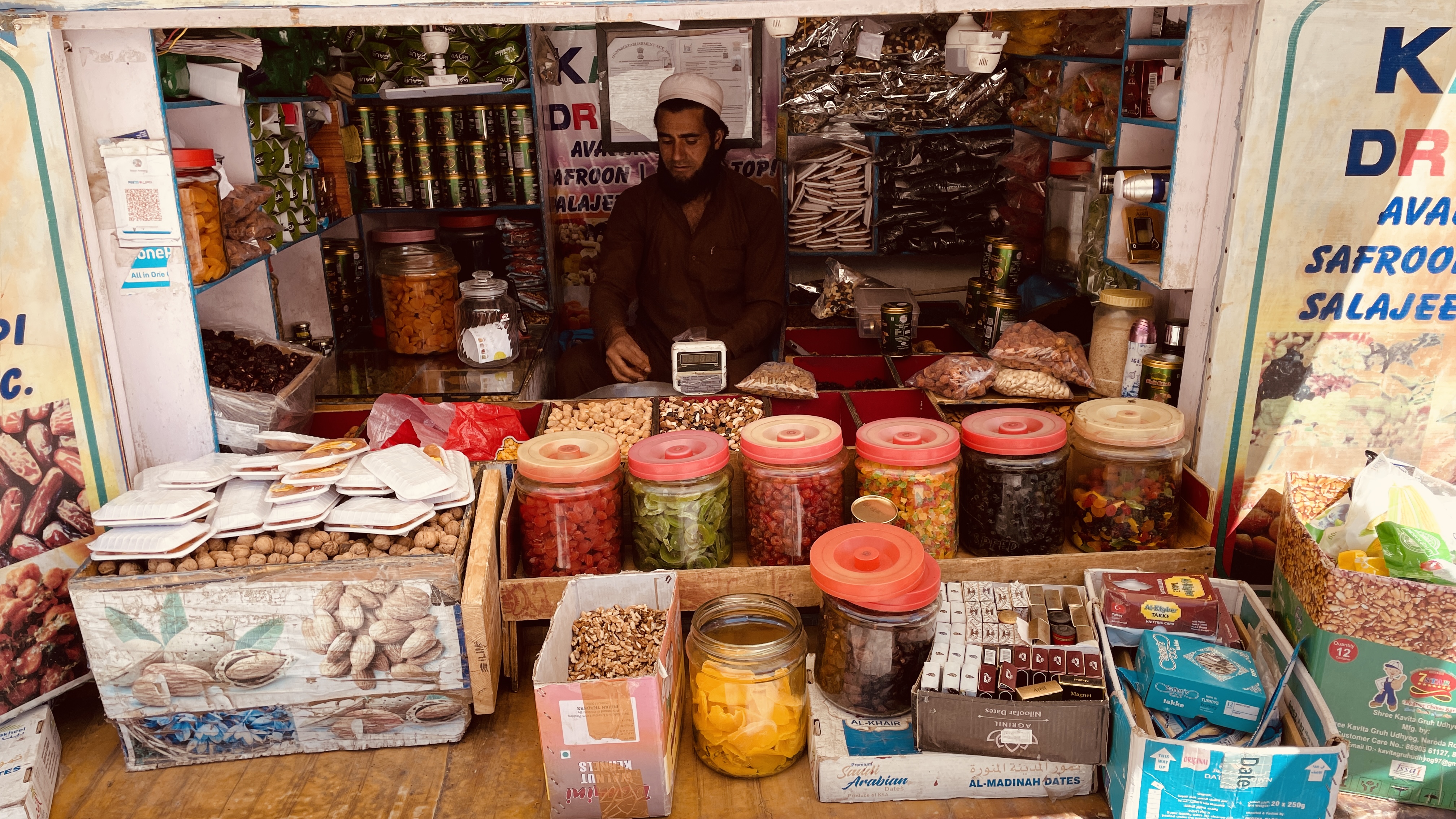
Leh to Hunder, crossing the Khardung La pass at 5,359 meters altitude.

Stay

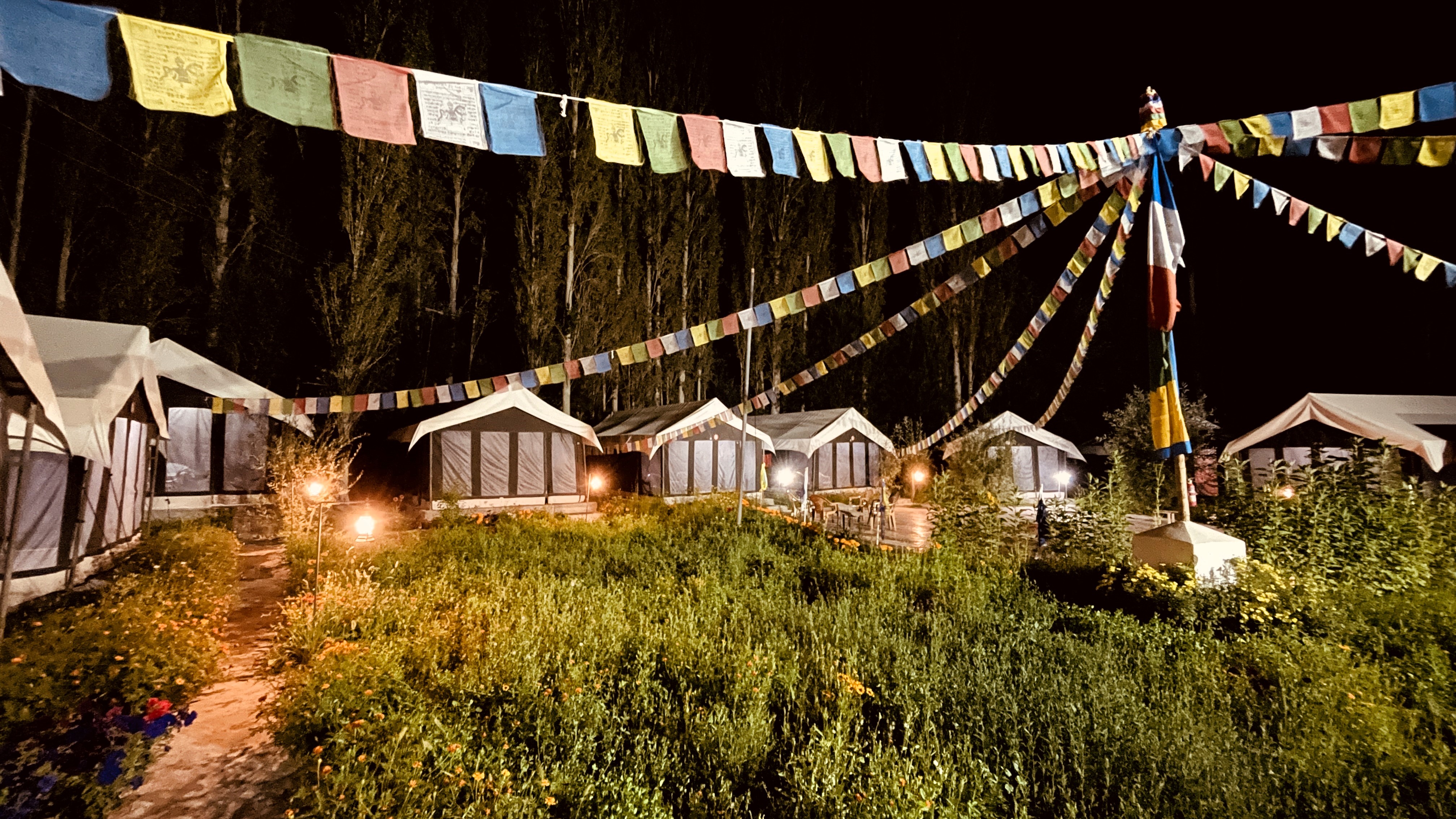
Ladakh Heaven Hills Camp

Super comfortable and clean tents, a beautiful garden, and good food.

Visit

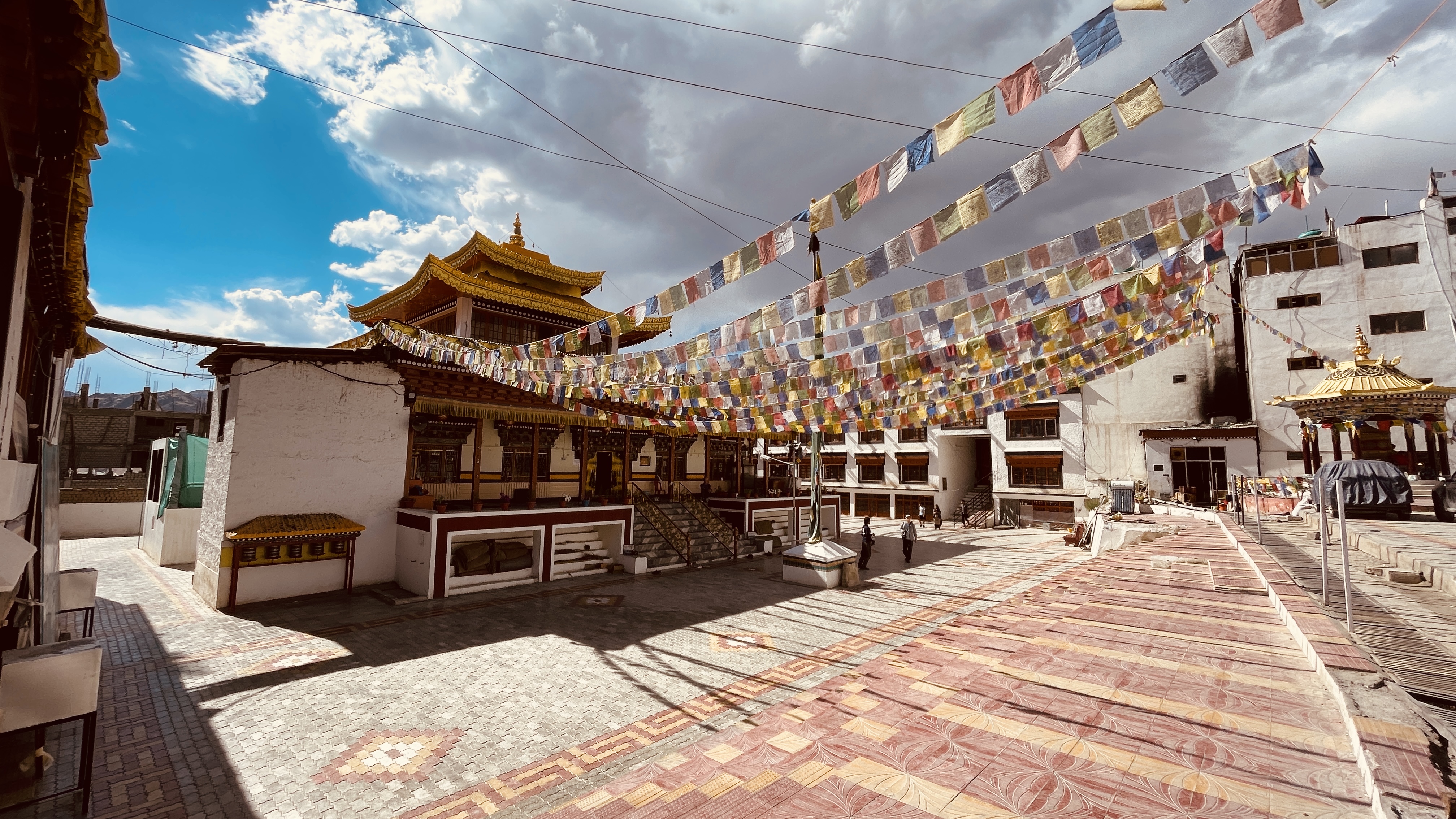
Diskit Monastery, impressively built on the mountain slopes.

Camel ride in the sand dunes between Diskit and Hunder.

We were fortunate to enjoy a clear night sky, and the sight of the stars was absolutely mesmerizing.

Day 5: Hunder To Sumur (Nubra Valley)

Road trip

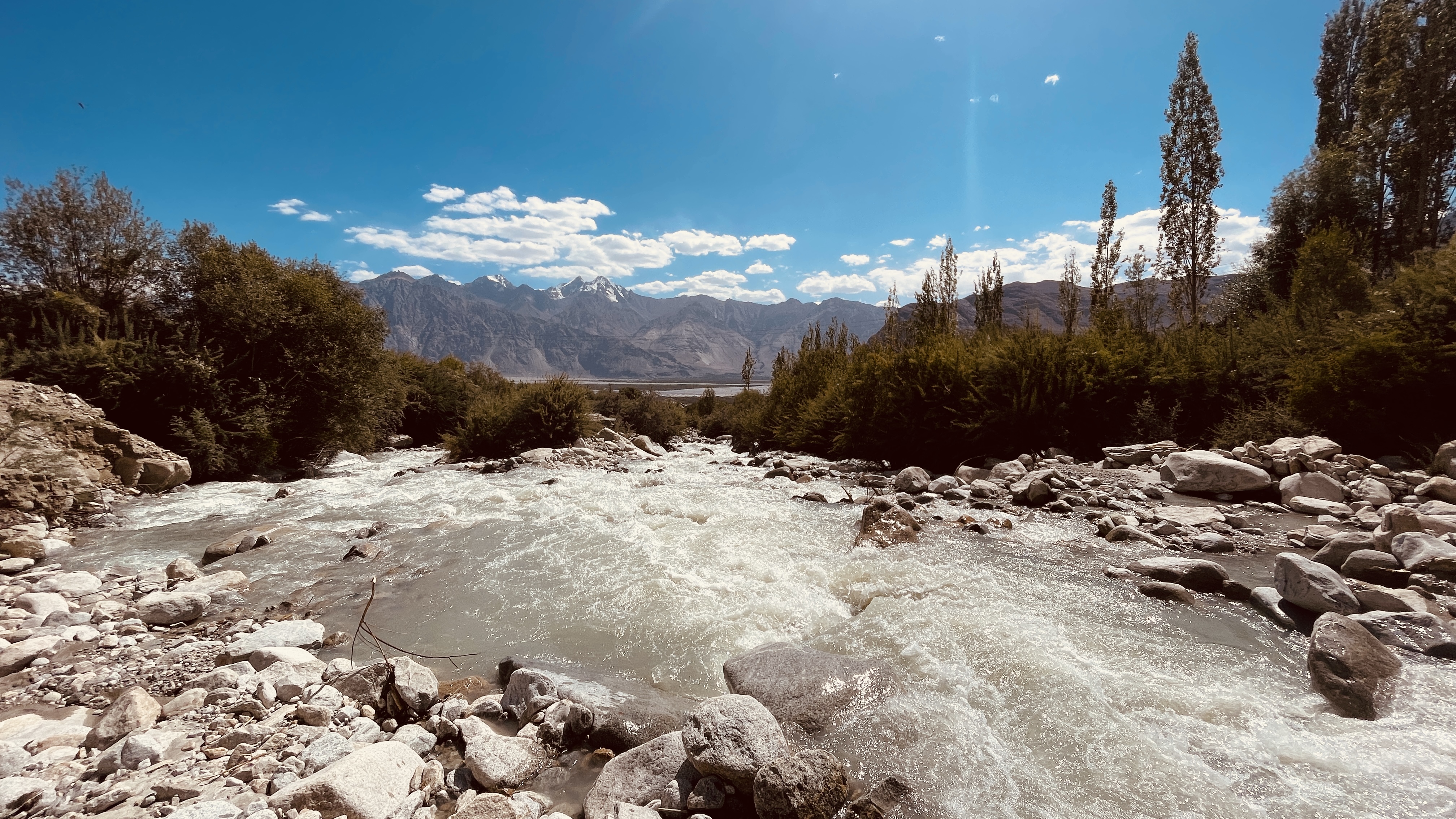
Hunder to Sumur, crossing the Shyok river and driving along the Nubra river.

Stay

Hotel Namgyal Villa

Delicious food, very kind staff and a beautiful garden.

Visit

Hot springs in Panamik.

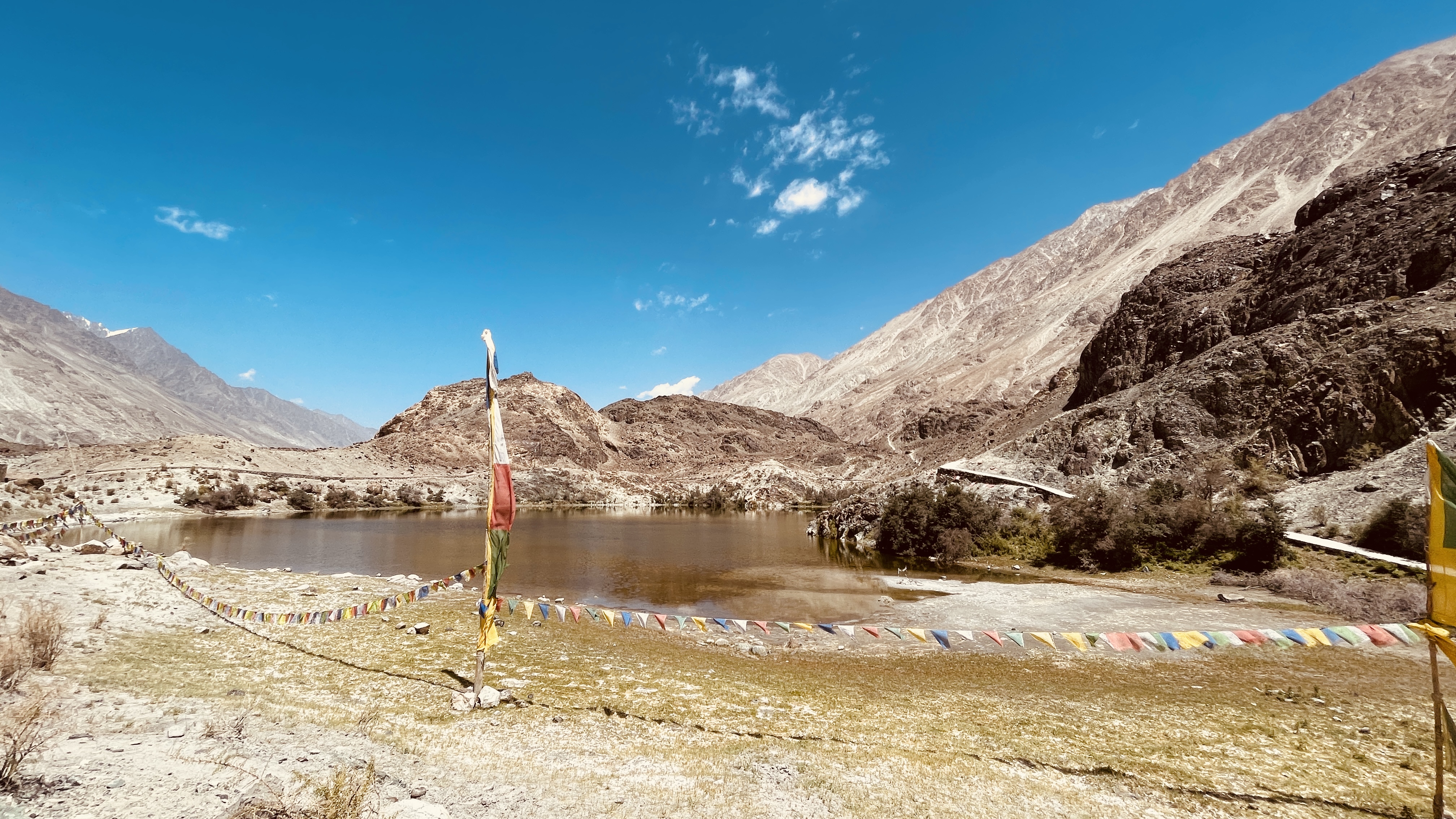
Small trek to Yarab Tso lake.

Walk around in the peaceful and green Sumur village.

It is also possible to ride a camel here, although it is less known and thus a lot less crowded.
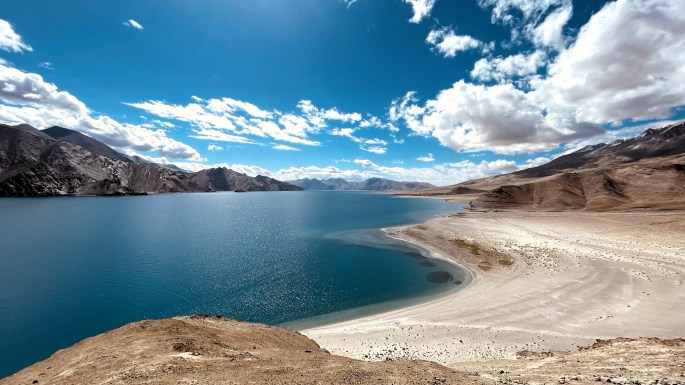
Day 6: Sumur to pangong lake

Road trip

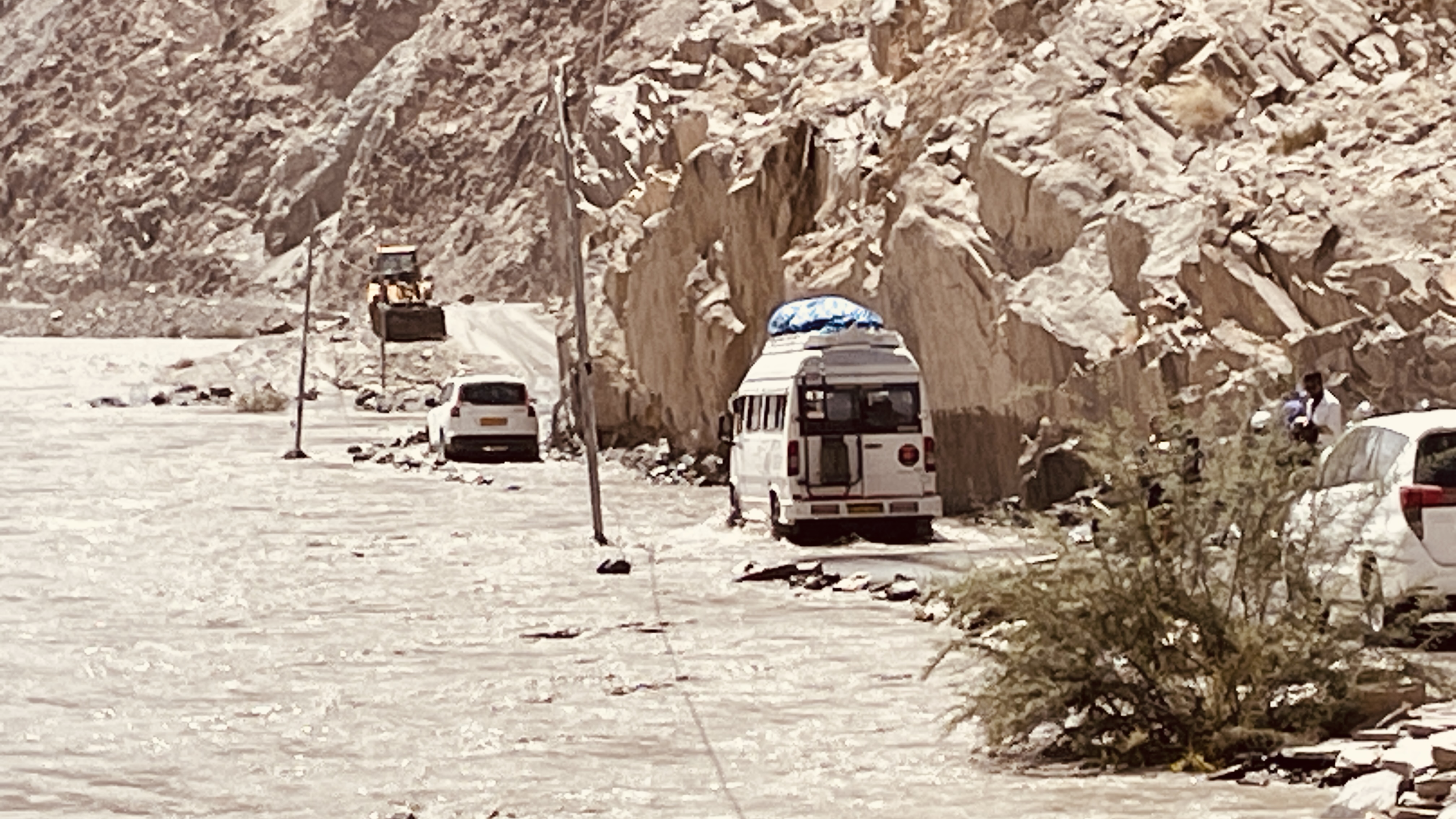
Sumur to Merak is a very scenic journey along the Shyok river. This journey, at times, can be scary as the road may get partially submerged by the majestic river.

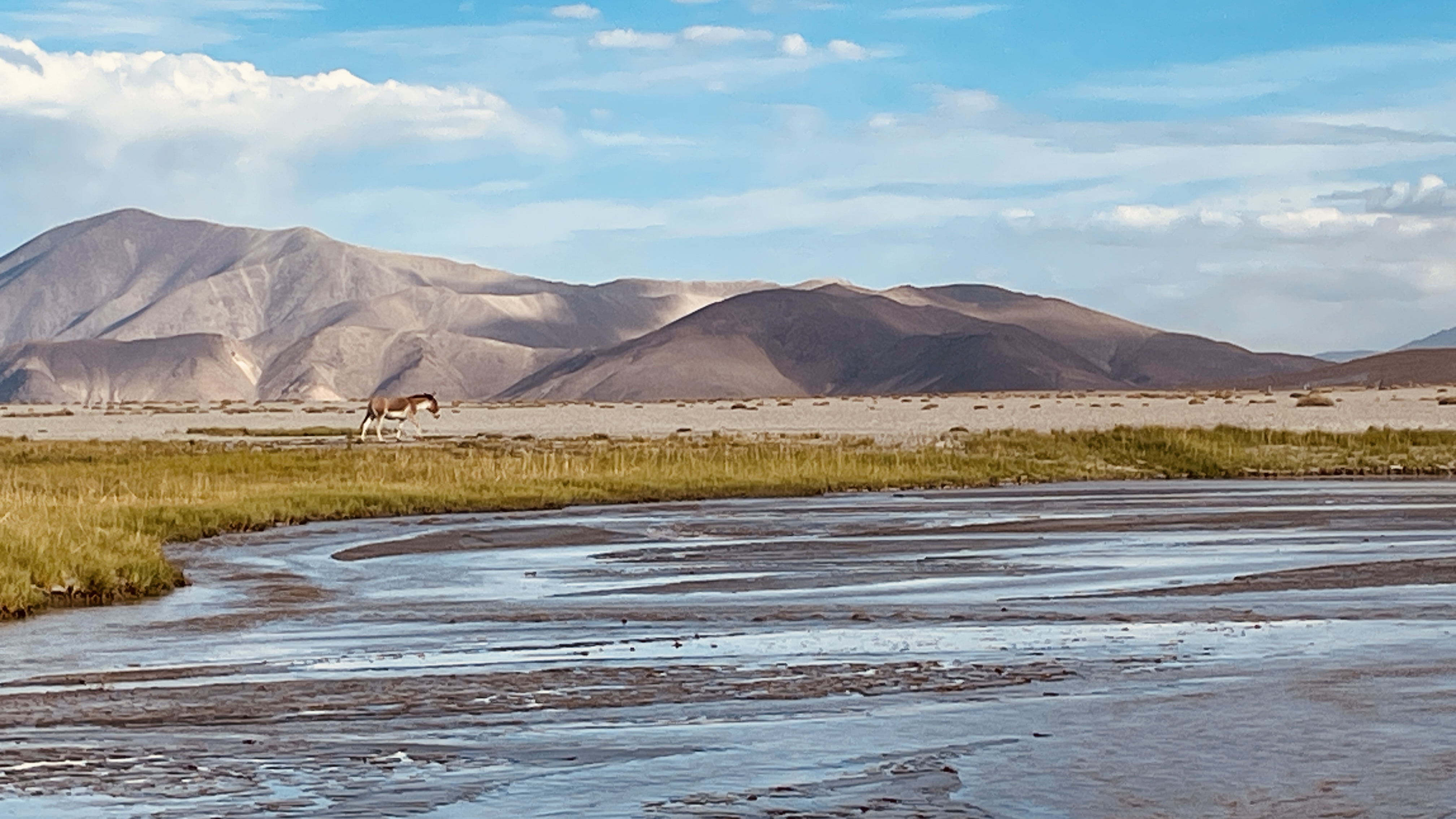
Later, we passed into more peaceful grasslands with Pashmina goats, yaks, wild horses, and marmots.

Stay

View Point Zamta Residency

A guest house run by a local farming family. They are great hosts and served us fresh “khambir” (Ladakhi bread) in the morning.

Visit

Stroll by the lakeside. We were lucky enough to spot “kiangs” (wild asses living in the Tibetan highlands).

Day 7: pangong lake to Leh

Road trip

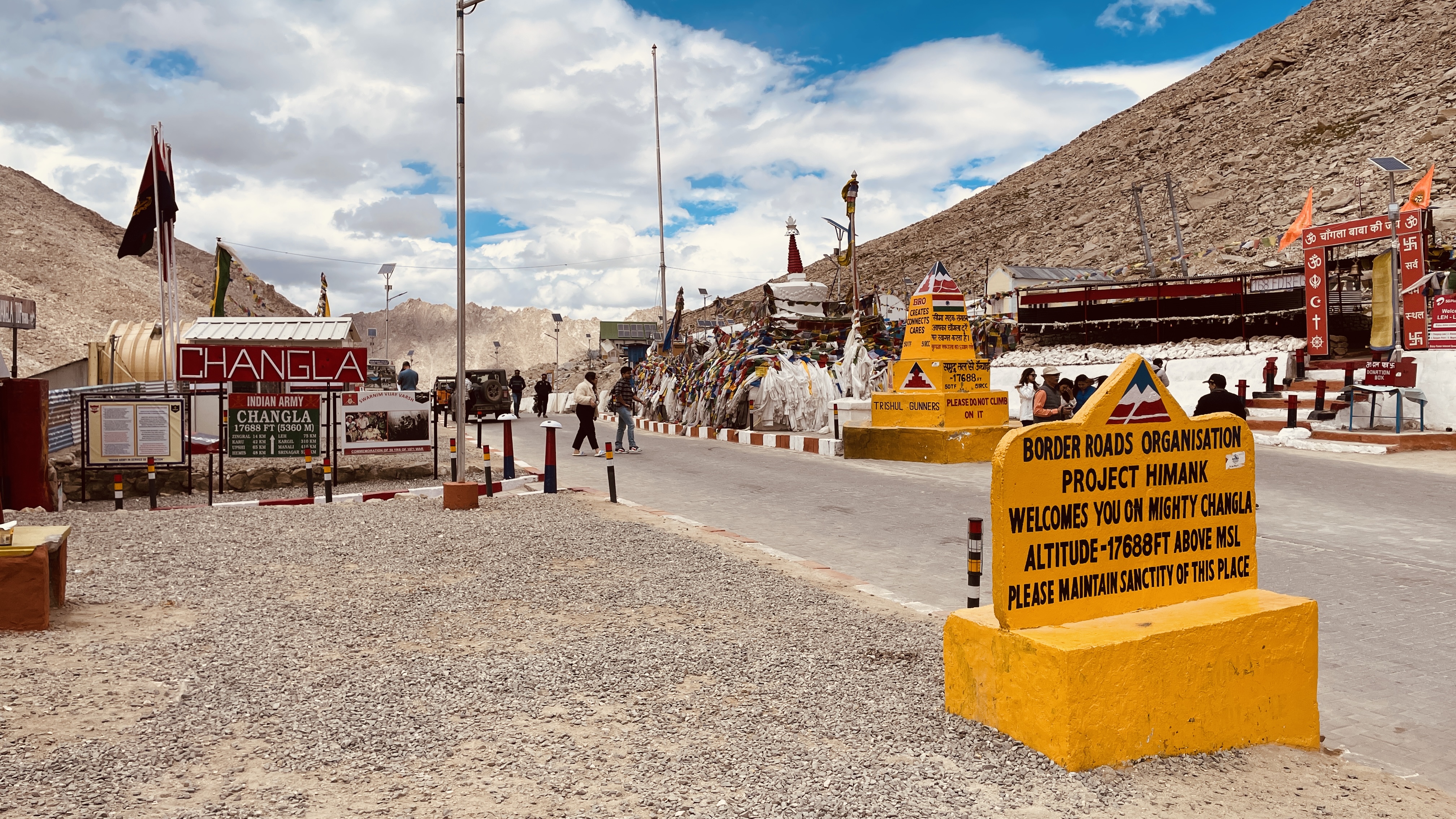
The route from Pangong Lake to Leh took us over the Chang La Pass at an altitude of 5,270 meters.

Stay

Palace View Guest House

Visit

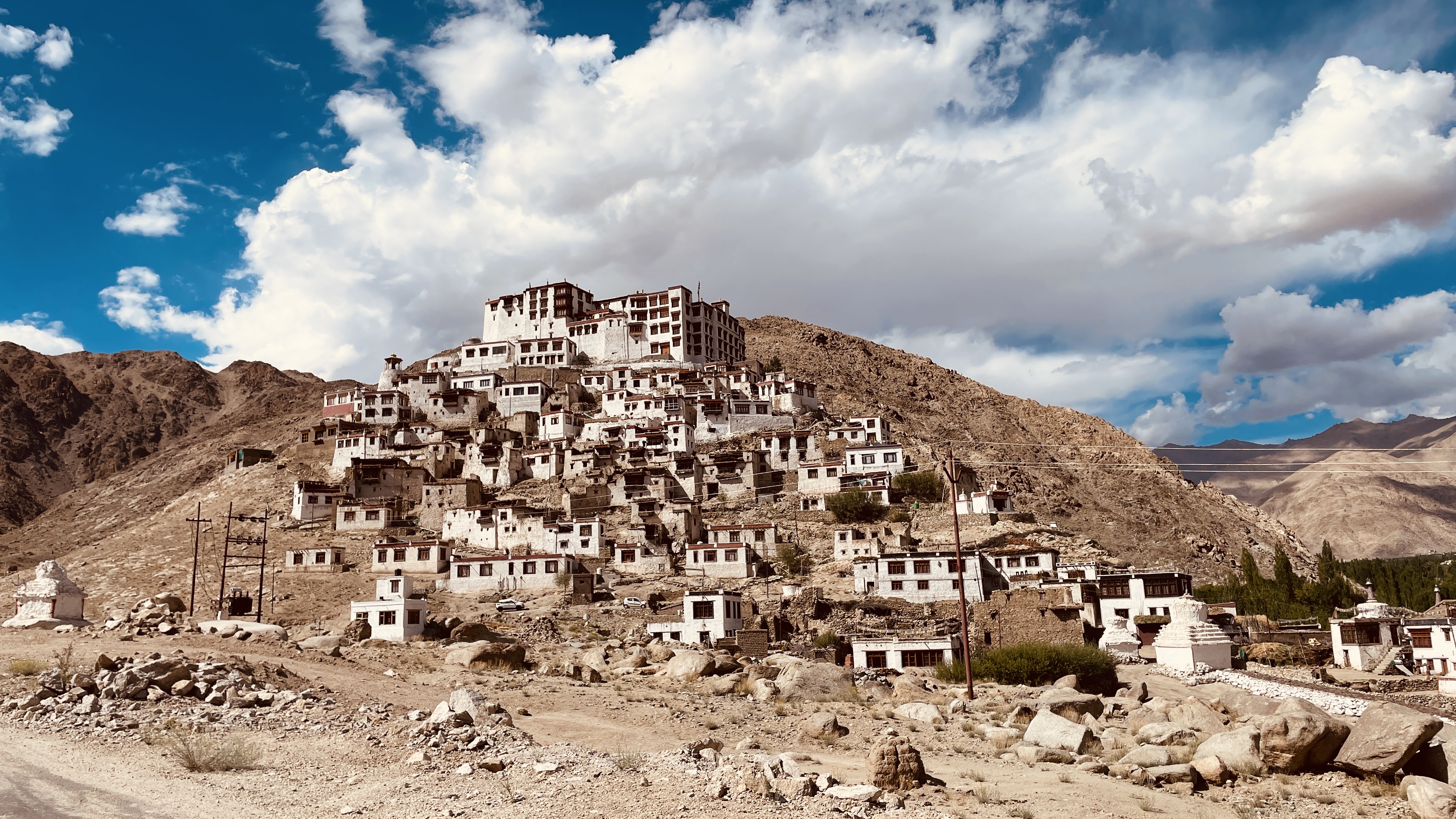
Descending on the other side, we passed the Chemrey Monastery, which sits impressively on a hillside.

On the way back, we stopped for lunch at RIWO, Karu. It’s chic, multi-cuisine, and offers great views.

Day 8: Leh

Stay

Palace View Guest House

Visit

After one week in Ladakh, we finally had the courage to walk up to the Leh Palace. The exhibition talks about the history of the region and the palace’s terrace gives some nice views of Leh city.

In the afternoon, we strolled from Main Bazar along the water ways to the Sankar Gompa and further up to the Tisuru Stupa.

Departure

Next morning, we took our return flight to Mumbai.

How to book your Indian train ticket?

A train trip in India should definitely be in your bucket list if you are coming to this beautiful country. An overnight journey can take you a 1000 kms while you sleep in your hanging bed, a day journey on the other hand lets you see different landscapes.

Check out some ideas for train travel in our post here.

It is however an overwhelming task to find a place and book your ticket on Indian railways. There are a lot of trains in India but there are even more people and everyone hopes to get their confirmed seats. So, this might be the only thing where Indians plan in advance. We advise you to do the same.

This post guides you on when, where and how to book your train ticket.

When

Bookings open 60 days before the travel date for most of the trains (30 days for some short distance trains) at 8 AM IST. Most of the seats are taken in the next few minutes.

If you want to be sure to have your place, this is the time to book.

As a foreign tourist, you also have an option to avoid the rush and book your ticket up to 365 days in advance as mentioned here. For this, you have to select the “foreign tourist option” while booking (see details below).

Where

https://www.irctc.co.in – IRCTC is the official booking website of the Indian railways. We suggest you to avoid travel agents.

Create your account beforehand as it might take some time. You can find the official procedure here.

For “foreign tourist booking” with a possibility to book 365 days in advance, go to the menu option “Trains” > “Foreign Tourist Booking”.

How

Once you have your account ready, login to the website and follow the official user guide that shows the step-by-step process here.

Few tips :

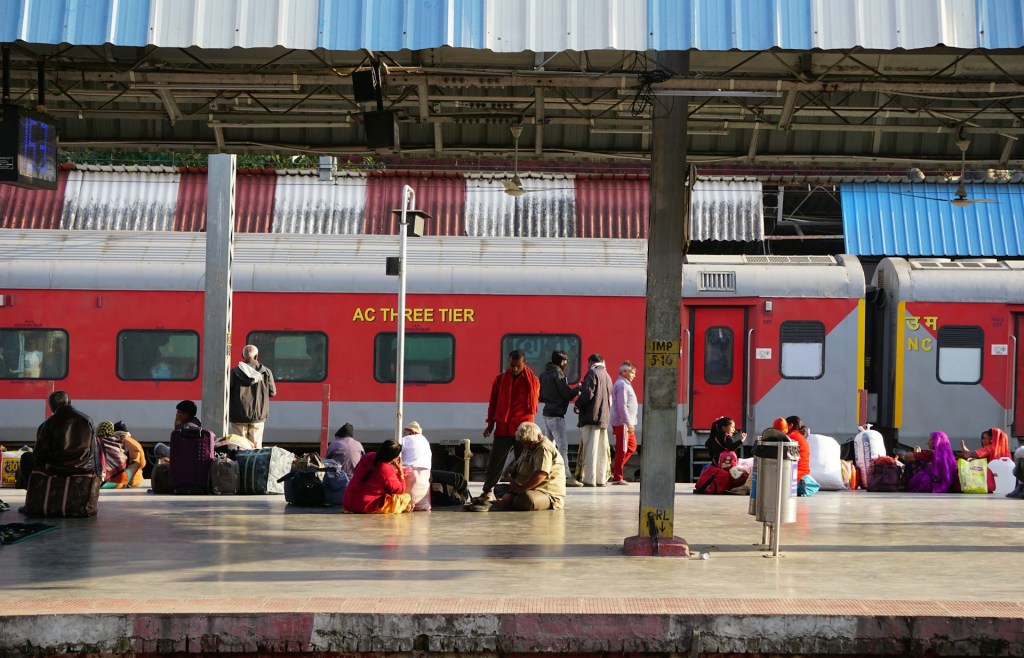
  • Station names: Departure and arrival stations are code named and their might be multiple train stations in a city. For example, New Delhi (code = NDLS), and Old Delhi (DLI) are two of the many stations in Delhi. Do a quick Google to find the train station in your city of travel.
  • Travel classes: There are several classes and kinds of seats available and the prices change according to your choice:
    • 2S: Non air-conditioned seat
    • SL: Non air-conditioned sleeping berth
    • CC: Air-conditioned seat (suggested for day travel)
    • EC: Air-conditioned “luxury” seat
    • 3AC: Air-conditioned sleeping berth in a 8 people shared configuration
    • 2AC: Air-conditioned sleeping couch in a 6 people shared configuration (suggested for overnight travel)
    • 1AC: Air-conditioned sleeping berth in a 4 people closed cabin
  • Availability: Once you have selected the travel class, seat availability is shown in green as “AVAILABLE no. of seats”. Avoid booking in the waiting list (shown in red “WL”). “WL” means that there is no seat available. These seats might get confirmed eventually if other passengers cancel their tickets.
  • Category (quota): If you book without the “foreign tourist option”, you have the possibility to find available seats in different categories:
    • General: default option open for everyone
    • Ladies: seats reserved for women
    • Lower berths/Sr. citizen: seats reserved for senior citizens (men above 65, women above 45)
    • Tatkal/Premium tatkal: last minute seats. They can be booked only a day before train departure. Booking opens at 10 AM IST for air-conditioned tickets and 11 AM IST for non air-conditioned tickets.

Hope this post provides you some clarity for your next train trip while you are in India. If you prefer, we can also help you plan and book your journey so that you can enjoy your travel at its best. You may contact us here.

Discovering India by train

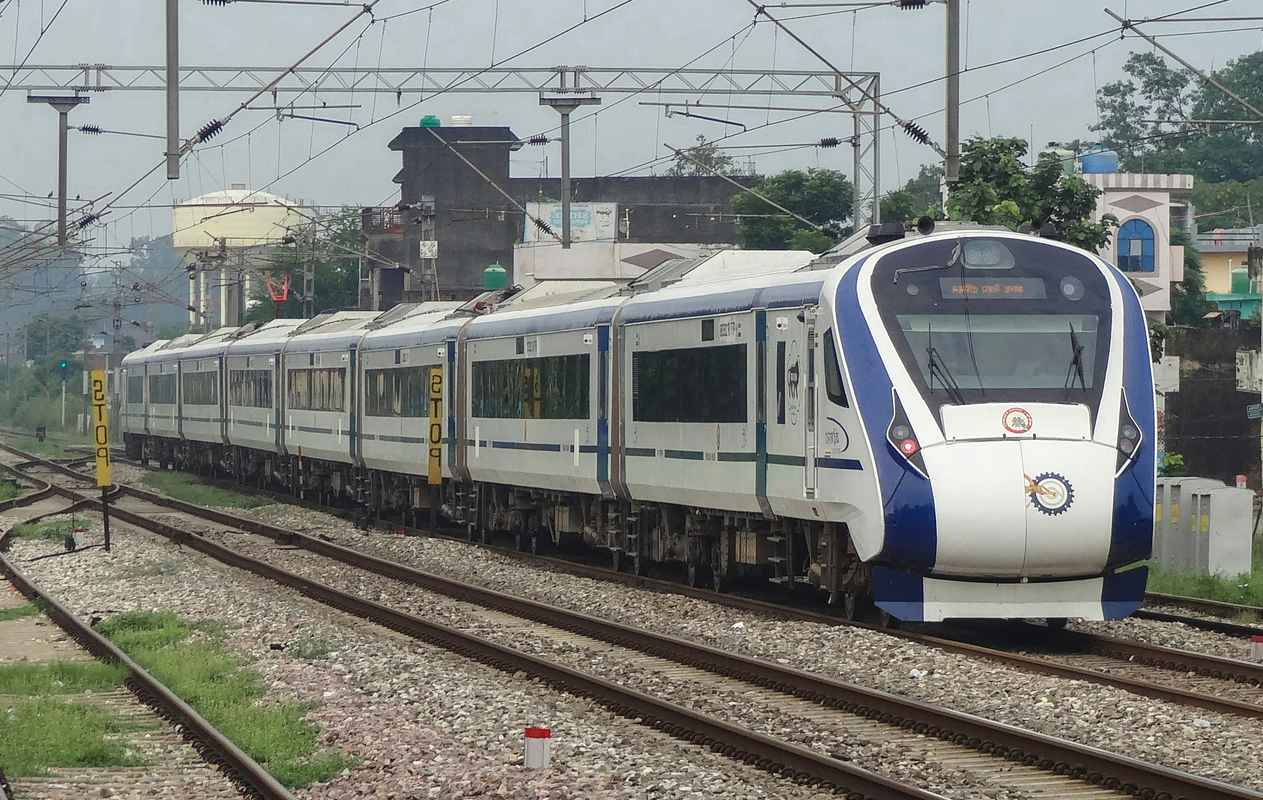
Indian Railways gets a new look

The railway is the backbone of public transportation in India and connects the country through a dense network. The longest journey someone can make takes over 70 hours covering more than 4000 kilometers from Kanyakumari in the south to Dibrugarh in the north-east.

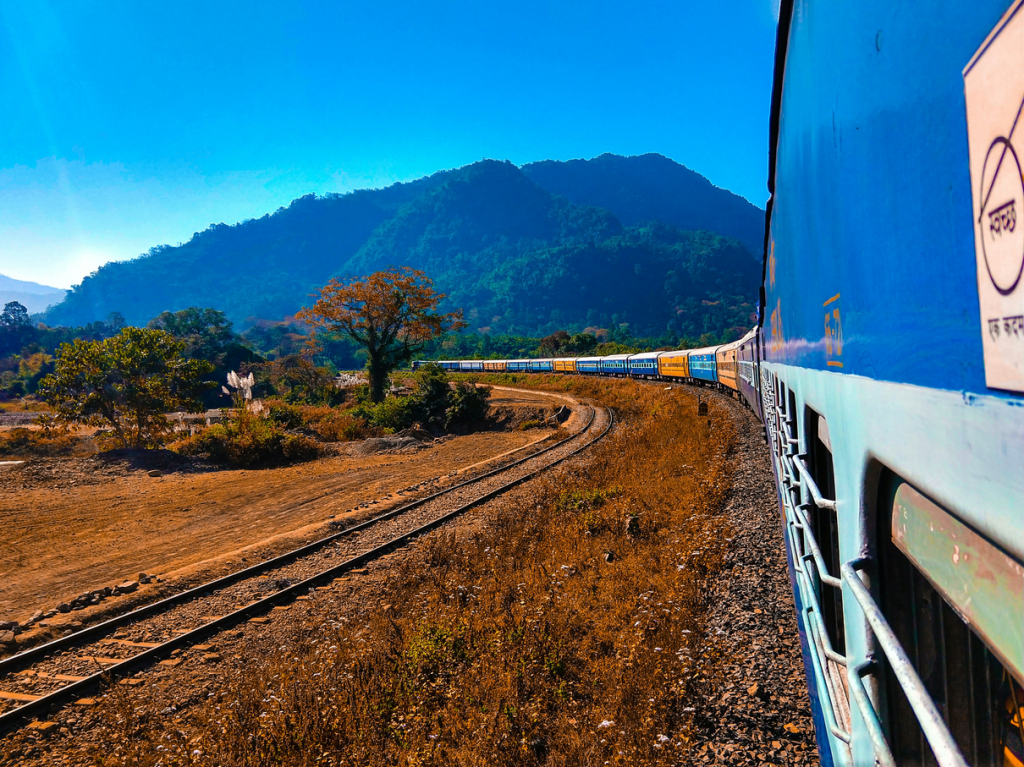
Travelling by train in India is an expericence in itself. Admittedly, it is not the fastest mode of transport, but it can be very efficient if you plan it right. Moreover, the railroad has been modernised – not only on the outside, as the picture above shows, but also in terms of services, for example with online food delivery to your seat.

Here are a few overnight journeys that are worth taking and can help you save a night in hotel :

  • Mumbai <-> Goa : for those who are looking for beautiful beaches
  • Mumbai/Delhi <-> Jaipur : for the land of Maharajas and their royal food
  • Delhi <-> Varanasi : for those who want to connect to the spiritual world

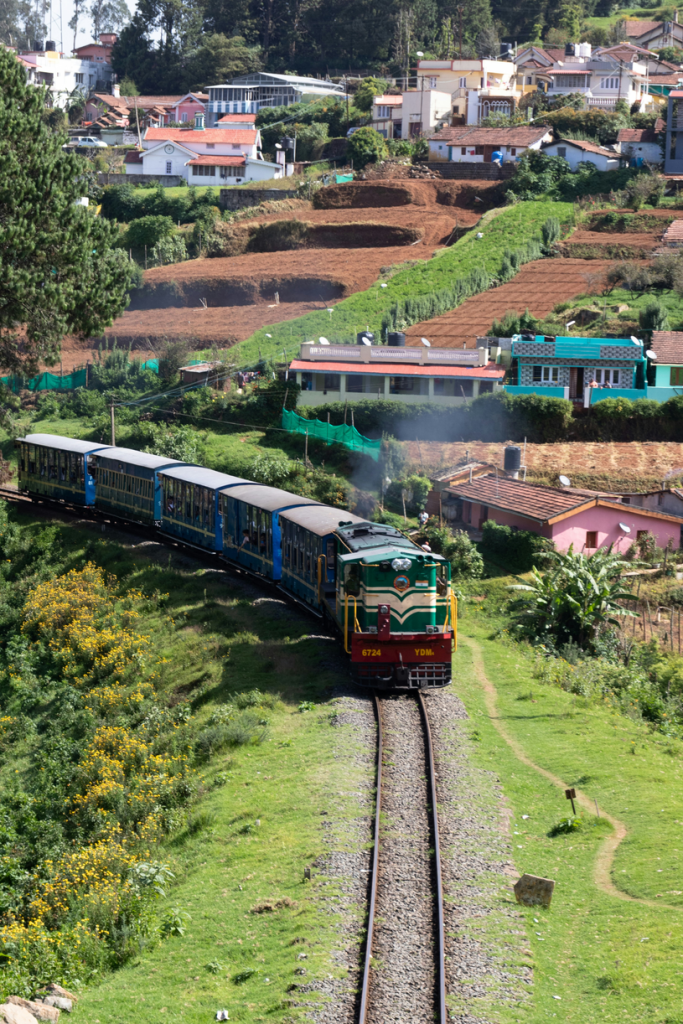
There are also various routes through scenic landscapes that are ideal for day trips like: Kalka to Shimla, Udhagamandalam to Coonnor, Mumbai to Goa, etc…

To book a ticket, however, you need a master’s degree to be able to navigate through the long lists of station codes and travel classes on the not so user-friendly booking website. Also something not so obvious when you think of India – to get a seat in the Indian railways, you need to plan 120 days in advance!

This is one of the areas where we can help you plan and book your journey so that you can enjoy your travel at its best. You may contact us here or check out our post on how to book your Indian train ticket here.

A home from home

Mumbai is undoubtedly one of the most livable cities in India. This vibrant metropolis offers a unique blend of economic opportunities, cultural activities and boasts an efficient transportation system. Mumbai’s hustle and bustle, however, can also be tiring sometimes.

Having a place you can feel at home after a busy day in this city makes all the difference.

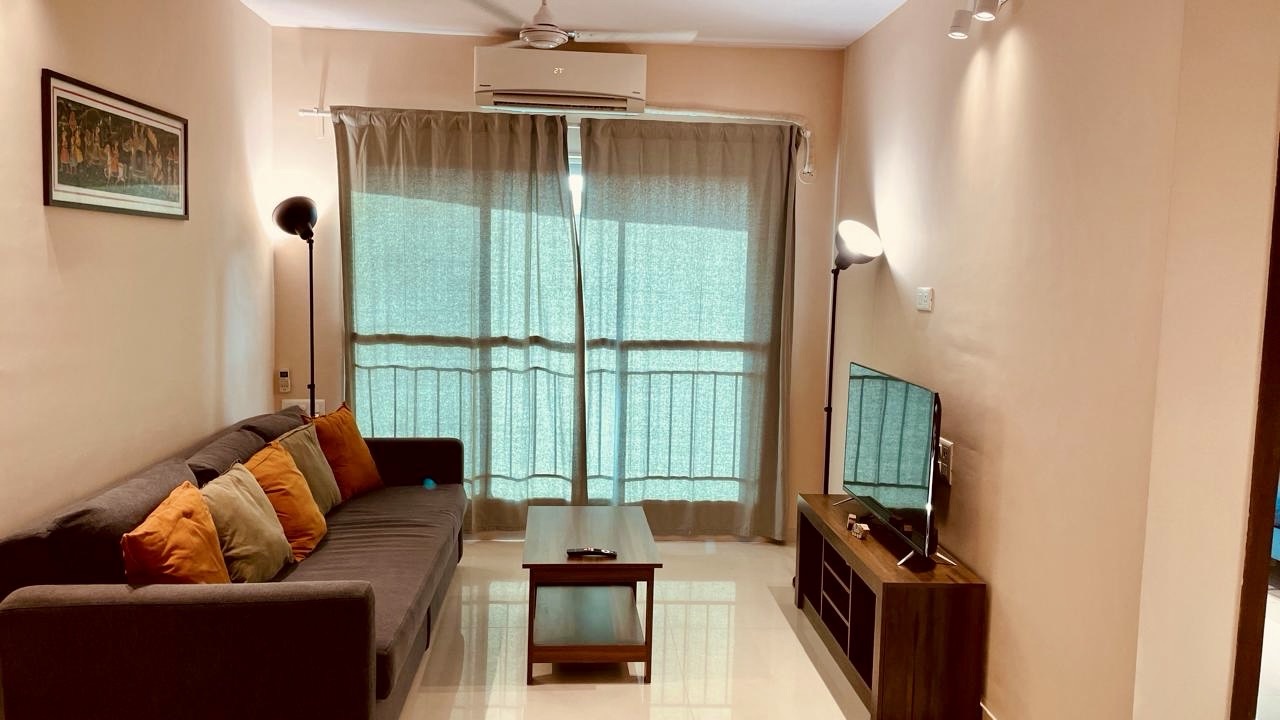
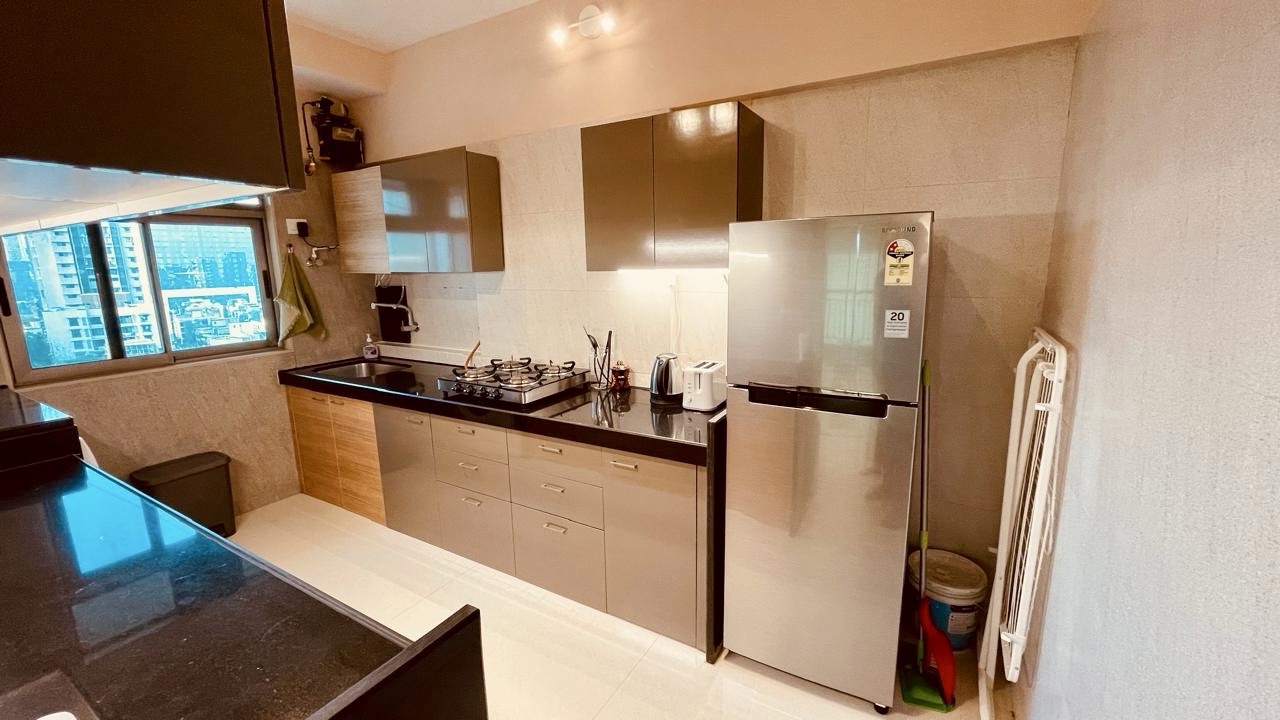
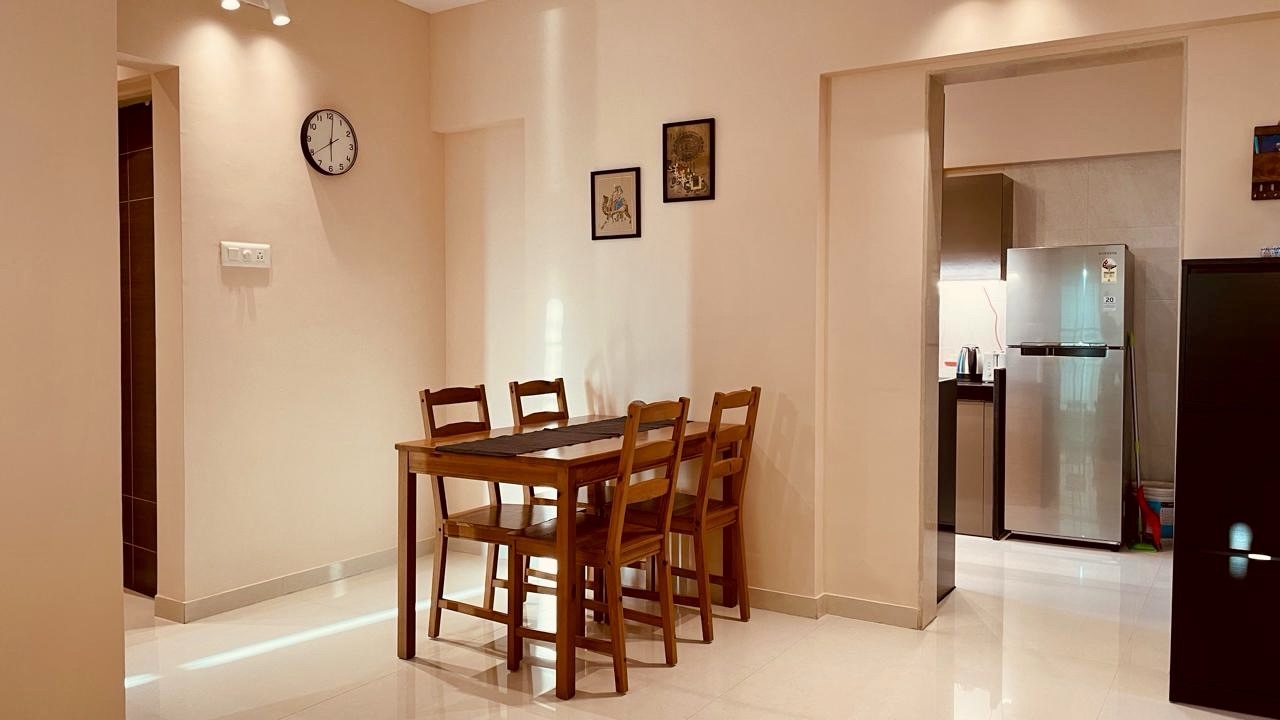
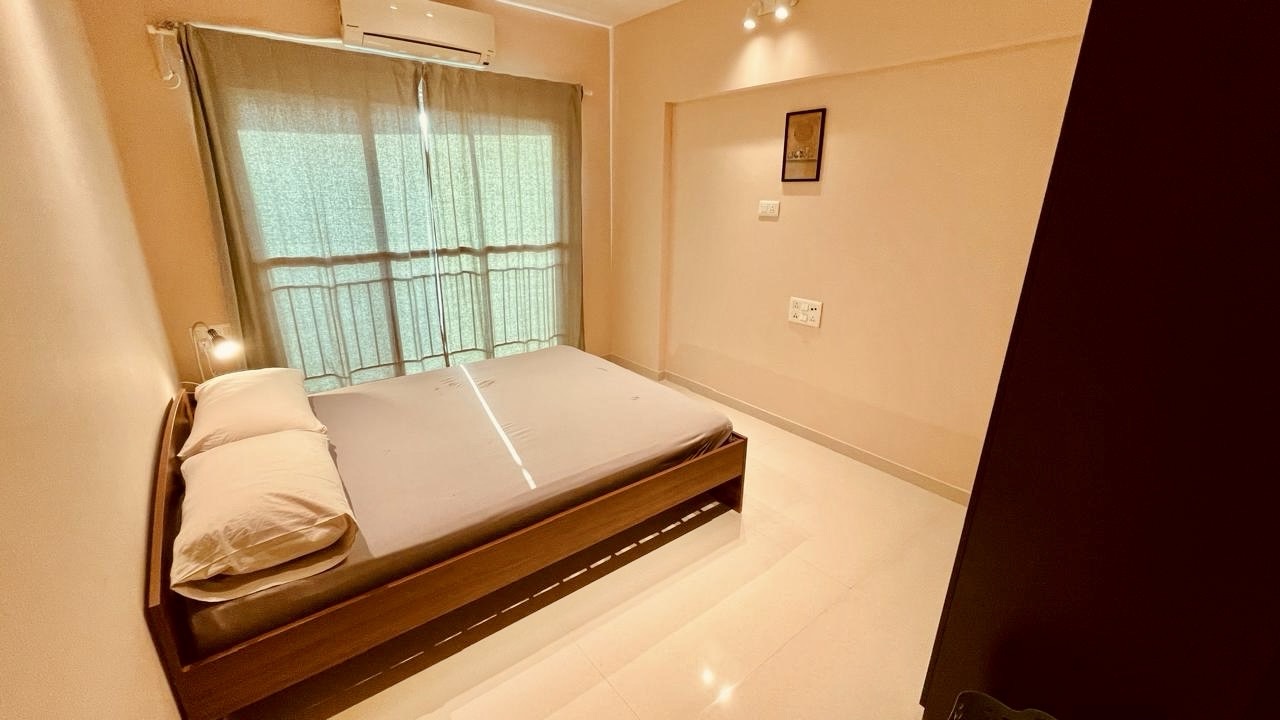
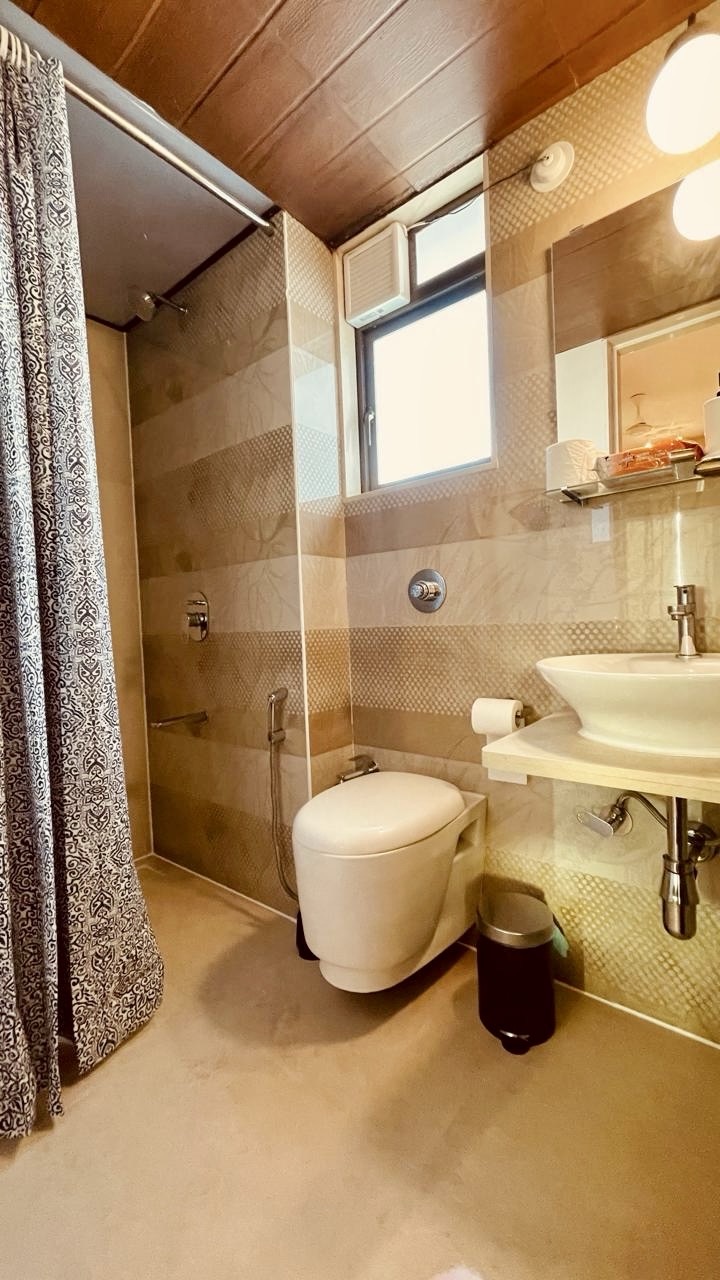
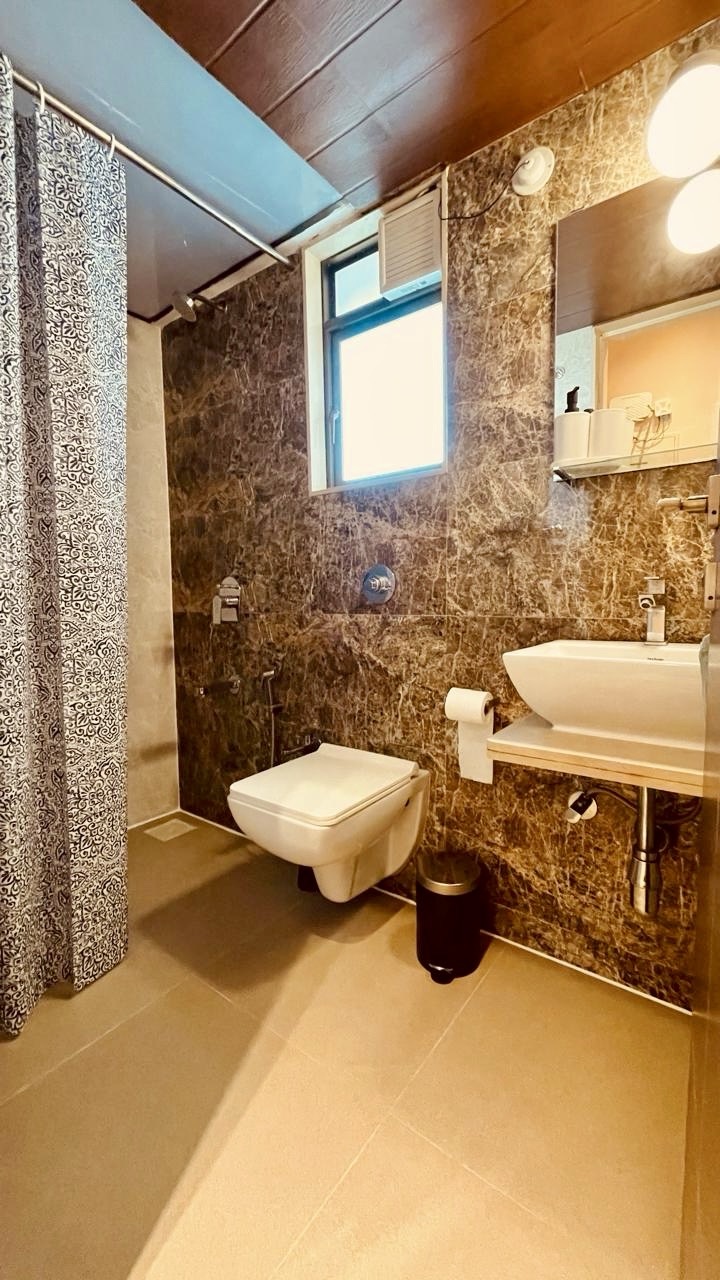
As a newcomer to Mumbai, you will be looking forward to have a place to relax peacefully on the couch, with good internet, all necessary furniture and appliances, clean bathrooms, and easy access to the public transport lines.

We created this place that might interest you if you are an expat and looking for a place to live in Mumbai.